
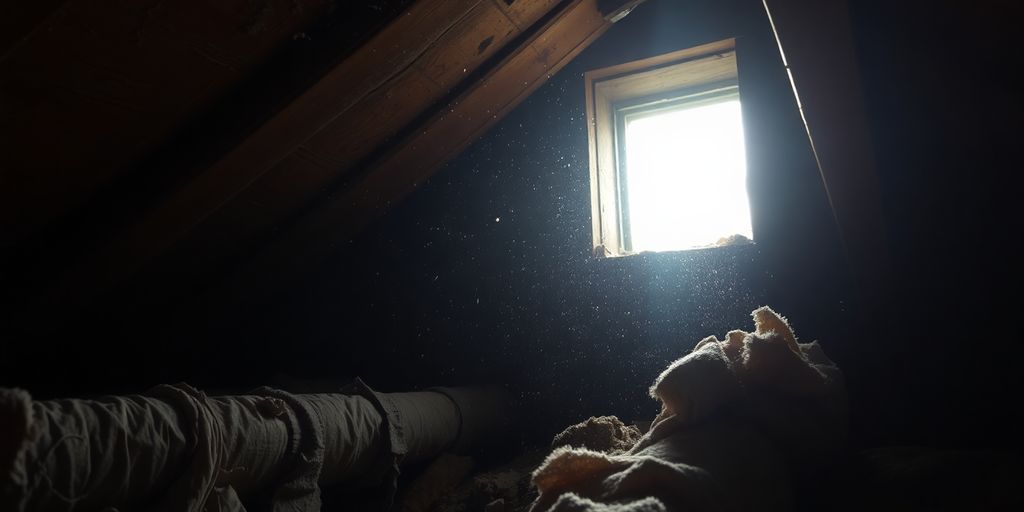
Common Locations for Asbestos in Older Homes
Asbestos was used everywhere back in the day, especially before the late 1970s. If your house was built before then, there’s a higher chance you might have it. It’s not always obvious, though. Here are some common spots to check:
- Insulation: This includes pipe insulation, especially in basements. It often looks like a white, flaky material wrapped around pipes.
- Floor Tiles: Those old 9×9 inch tiles? Yeah, those are often asbestos-containing. Same goes for the adhesive used to stick them down.
- Roofing and Siding: Some shingles and siding materials contained asbestos to make them more durable.
- Textured Paints and Coatings: Think popcorn ceilings. These were popular for a while, and many contained asbestos.
- Cement Products: Asbestos was added to cement for strength, so check things like cement pipes and sheets.
Visual Cues and Professional Assessment
Sometimes you can spot potential asbestos-containing materials just by looking. Asbestos fibers can become visible in damaged materials. These fibers may appear small and fuzzy. However, visual inspection alone isn’t enough. You really need a professional to confirm. They’ll take samples and have them tested in a lab. It’s the only way to know for sure.
When to Suspect Asbestos Presence
Okay, so when should you really start to worry? Here are a few red flags:
- Age of the Home: If your house was built before the 1980s, be extra cautious.
- Renovation History: If you’re planning any renovations, especially in older homes, get things checked out first. Disturbing asbestos can release those dangerous fibers into the air.
- Damaged Materials: If you see any materials that are cracked, crumbling, or otherwise damaged, and you suspect they might contain asbestos, don’t touch them. Call a professional.
- Unlabeled Materials: If you find old building materials without labels, it’s better to be safe than sorry. Get them tested.
It’s all about being aware and taking precautions. Learn how to identify asbestos in your home, understand the health risks, and know the right steps to keep your family safe.
Understanding Asbestos Exposure Pathways
Inhalation as the Primary Risk Factor
When it comes to asbestos, the biggest worry is breathing it in. Inhalation is the main way asbestos fibers get into your body. It’s not really something you can absorb through your skin, and swallowing it is less of a concern. Once those tiny fibers are airborne, they can hang around for a while, making it easy to breathe them in without even realizing it.
Disturbance of Asbestos-Containing Materials
If asbestos is just sitting there, undisturbed, it’s usually not a problem. The real risk comes when you start messing with it. Think about things like:
- Renovating an old bathroom where asbestos might be in the tile adhesive.
- Removing old insulation that contains asbestos.
- Even just drilling a hole in a wall that has asbestos-containing materials.
Any of these activities can release those dangerous fibers into the air. It’s like shaking up a snow globe – suddenly, everything is swirling around. So, if you suspect asbestos, don’t touch it! Get a professional to check it out.
Secondary Exposure Risks
It’s not just the people directly working with asbestos who are at risk. Secondary exposure can happen when someone brings asbestos fibers home on their clothes, hair, or tools. Imagine a construction worker who doesn’t properly clean up after working with asbestos. They could unknowingly expose their family to the fibers. This is why it’s super important to:
- Have proper procedures for cleaning up after working with asbestos.
- Change clothes and shower before going home.
- Use specialized equipment to contain the fibers.
It’s all about preventing those fibers from spreading and protecting everyone, not just the person doing the work.
Acute and Chronic Health Risks of Asbestos Exposure
Asbestos exposure isn’t something to take lightly. It’s not just about a cough that goes away; it can lead to some really serious, long-term health problems. The risks range from minor irritations to life-threatening diseases, and understanding these risks is super important if you think you’ve been exposed.
Short-Term Irritation and Symptoms
Okay, so right away, you might not feel like you’re dying if you’ve been around asbestos. But some people do experience short-term issues. These can include:
- Irritation of the skin: Itchy, red, and generally unpleasant.
- Eye irritation: Burning, watering, and sensitivity to light.
- Respiratory irritation: Coughing, sore throat, and a feeling like you can’t quite get enough air. This is because asbestos exposure occurs when its fibers become airborne.
These symptoms aren’t always a sign of asbestos exposure, of course. But if you know you’ve been around it, and you start feeling these things, it’s worth getting checked out.
Long-Term Respiratory Diseases
This is where things get scary. Long-term exposure to asbestos can cause some nasty respiratory diseases that take years to develop. These aren’t just colds; they’re chronic conditions that can seriously impact your quality of life. Think about:
- Asbestosis: This is a progressive scarring of the lungs, making it harder and harder to breathe. It’s not curable, and it gets worse over time.
- Pleural plaques: These are areas of thickening on the lining of the lungs. They might not cause symptoms right away, but they can be a sign of more serious problems down the road.
- Chronic obstructive pulmonary disease (COPD): Asbestos exposure can contribute to COPD, a group of lung diseases that block airflow and make it difficult to breathe.
Increased Cancer Risk
And then there’s the big one: cancer. Asbestos is a known carcinogen, meaning it can cause cancer. The most well-known cancer associated with asbestos is mesothelioma, but it’s not the only one. Here’s a rundown:
- Mesothelioma: A rare and aggressive cancer that affects the lining of the lungs, abdomen, or heart. It’s almost always caused by asbestos exposure.
- Lung cancer: Asbestos exposure significantly increases the risk of lung cancer, especially in smokers. Damaged or exposed asbestos in older homes poses a significant health risk.
- Other cancers: There’s also evidence linking asbestos to an increased risk of cancers of the larynx (voice box), ovary, and stomach.
So, yeah, asbestos is bad news. The health risks are real, and they’re serious. If you suspect you’ve been exposed, don’t wait. Talk to a doctor and get checked out.
Specific Diseases Linked to Asbestos Exposure
Asbestos exposure is no joke; it can lead to some really serious health problems. It’s not just a cough or a sniffle – we’re talking about life-altering and sometimes fatal diseases. The latency period, the time between exposure and when symptoms show up, can be decades. That’s why it’s so important to understand the risks and take precautions now. Let’s break down some of the specific diseases linked to asbestos.
Mesothelioma: A Rare and Aggressive Cancer
Mesothelioma is probably the most well-known disease associated with asbestos. It’s a rare and aggressive cancer that affects the lining of the lungs, abdomen, or heart. The prognosis is generally poor, and treatment options are limited. What makes it particularly scary is that it can take 20 to 50 years after asbestos exposure for mesothelioma to develop. Symptoms can include chest pain, shortness of breath, and fluid buildup. If you’re experiencing these, especially with a history of asbestos exposure, get it checked out ASAP. Early detection is key, even though it’s a tough battle. You can learn more about mesothelioma treatment options.
Asbestosis: Progressive Lung Scarring
Asbestosis is a chronic, progressive lung disease caused by inhaling asbestos fibers. Over time, these fibers cause scarring of the lung tissue, making it difficult to breathe. It’s not cancer, but it’s still incredibly serious. The scarring reduces lung elasticity, so your lungs can’t expand and contract properly. Symptoms include shortness of breath, a persistent dry cough, and chest tightness. Asbestosis is irreversible, and there’s no cure. Treatment focuses on managing symptoms and slowing the progression of the disease. Oxygen therapy and pulmonary rehabilitation can help improve quality of life. Here are some key points about asbestosis:
- It’s caused by long-term exposure to asbestos.
- Symptoms can take years to develop.
- It significantly impacts lung function.
Lung Cancer and Other Malignancies
Asbestos exposure significantly increases the risk of lung cancer. It’s one of the leading causes of lung cancer, especially in people who also smoke. The combination of smoking and asbestos exposure creates a synergistic effect, dramatically increasing the risk. Asbestos can also contribute to other cancers, including laryngeal cancer and ovarian cancer. The fibers irritate the cells, leading to mutations that can cause cancer to develop. Here are some cancers linked to asbestos exposure:
- Lung Cancer
- Laryngeal Cancer
- Ovarian Cancer
It’s important to remember that the risk of developing these diseases depends on several factors, including the duration and intensity of asbestos exposure, the type of asbestos fibers, and individual susceptibility. Regular check-ups and screenings are crucial for early detection, especially if you have a history of asbestos exposure. Understanding the risks of asbestos is the first step in protecting your health.
Mitigating the Health Risks of Asbestos in Homes
Safe Handling and Abatement Practices
So, you’ve found asbestos in your house. Now what? Don’t panic! The key is to not mess with it yourself. Improper handling can release those nasty fibers into the air, which is exactly what you want to avoid. Instead, think about these points:
- Always wet the material down before doing anything. This helps keep the fibers from becoming airborne. Seriously, don’t skip this step.
- Wear protective gear. We’re talking respirators, gloves, and disposable suits. Treat it like you’re dealing with something super dangerous, because you are.
- Seal off the work area. Plastic sheeting and duct tape are your friends here. You want to contain any fibers that might escape. For more information, see asbestos exposure.
Encapsulation Versus Removal
Okay, so you have two main options: encapsulation or removal. Encapsulation is basically sealing the asbestos in so it can’t hurt anyone. It’s like putting a lid on a problem. Removal is, well, getting rid of it completely. Here’s the lowdown:
- Encapsulation is cheaper and less disruptive. You’re essentially painting or wrapping the asbestos-containing material to prevent fiber release. It’s a good option if the material is in good condition and not likely to be disturbed.
- Removal is more expensive and invasive. It involves physically taking out the asbestos. This is the way to go if the material is damaged or if you’re planning a renovation that could disturb it. It’s also a good idea to check out toxic mineral fibers for more information.
- Consider the long-term implications. Encapsulation might need to be redone eventually, while removal is a one-time thing. Think about what makes the most sense for your situation.
Professional Remediation Importance
Seriously, don’t try to DIY this. Asbestos remediation is not a weekend project. It’s a job for trained professionals. Here’s why:
- They have the right equipment. We’re talking specialized respirators, HEPA vacuums, and all sorts of fancy tools you probably don’t have lying around.
- They know the regulations. There are strict rules about how to handle and dispose of asbestos. Professionals know these rules inside and out.
- They can do the job safely and effectively. They’re trained to minimize fiber release and protect themselves and others. Trust me, it’s worth the money to hire a pro. It’s about your health and safety, and that’s not something to skimp on.
Protecting Occupants from Asbestos Hazards
Educating Household Members on Risks
It’s really important that everyone living in a house knows about asbestos and what it can do. Knowledge is power, especially when it comes to health risks. Explain what asbestos is, where it might be hiding in the house, and why it’s dangerous to mess with it. Keep it simple, no need to scare anyone, just make sure they understand the basics. You can even show them pictures of common asbestos locations so they know what to look out for.
Preventing Disturbance of Materials
This is key: don’t touch anything that might have asbestos in it. If you’re planning any home improvement projects, think twice before knocking down walls or ripping up old flooring. Disturbing asbestos is what releases those tiny fibers into the air, and that’s when the trouble starts. Here are some things to keep in mind:
- Avoid drilling, sanding, or sawing materials that could contain asbestos.
- Don’t let kids play in areas where asbestos might be present.
- If you see damaged or deteriorating materials, don’t try to fix them yourself. Call a professional.
Regular Monitoring of Asbestos-Containing Areas
If you know you have asbestos in your home, it’s a good idea to keep an eye on it. Check regularly for any signs of damage or wear and tear. Are there cracks, crumbling, or water stains? These could mean that asbestos fibers are being released. If you spot anything suspicious, don’t panic, but do take action. Contact a qualified asbestos management plan inspector to assess the situation and recommend the best course of action. It’s better to be safe than sorry.
Legal and Regulatory Frameworks for Asbestos Safety
Federal and State Asbestos Regulations
Asbestos isn’t something you can just ignore; there are rules about it. The EPA and OSHA have a big say in how asbestos is handled. For example, OSHA sets workplace safety standards for asbestos exposure, especially during removal or construction. States also have their own regulations, which can sometimes be stricter than the federal ones. It’s a bit of a maze, but basically, these rules are there to keep people safe from asbestos fibers.
Disclosure Requirements for Property Sales
Selling a house with asbestos? You usually have to tell the buyer. Disclosure laws vary by state, but the general idea is that sellers need to inform potential buyers about any known asbestos-containing materials in the property. This helps buyers make informed decisions and avoid surprises down the road. Not disclosing can lead to legal trouble later on. It’s all about being upfront and honest.
Worker Safety Standards for Abatement
If you’re doing asbestos abatement, there are very specific rules to follow. These rules are in place to protect workers from exposure. Some key points include:
- Proper training and certification for workers.
- Use of protective equipment, like respirators and suits.
- Specific procedures for handling and disposing of asbestos waste.
- Air monitoring to ensure safe levels of asbestos fibers.
It’s a serious business, and national laws are there to make sure it’s done right.
