
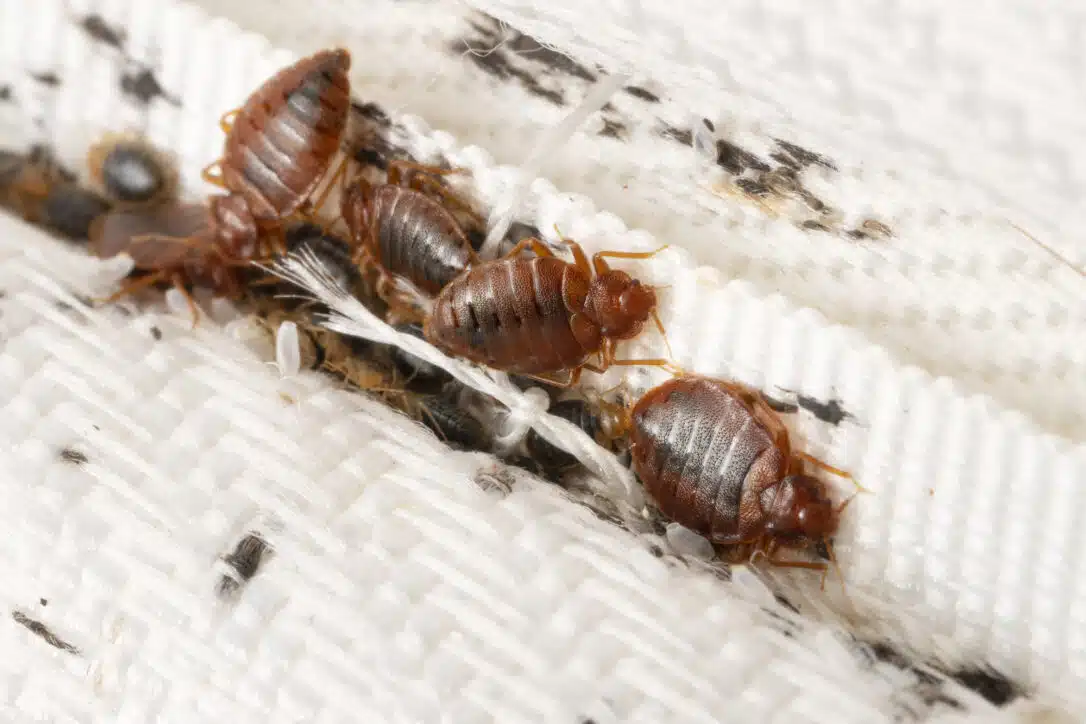
Bed bugs are a common pest, but they are also surrounded by myths and misconceptions that can make controlling them more difficult. Misunderstandings often lead people to ignore infestations, try ineffective treatments, or panic unnecessarily. Knowing the truth about bed bugs is the first step toward effective prevention and eradication.
Here’s a guide to some of the most common bed bug myths — and the facts that debunk them.
Myth 1: Bed Bugs Only Infest Dirty Homes
Fact: Bed bugs are not a reflection of cleanliness. They are opportunistic pests that feed on human blood, and they will infest clean or dirty environments alike.
Even five-star hotels and recently cleaned apartments can have bed bugs. These pests rely on access to hosts, not filth, and can hitch a ride on luggage, clothing, or furniture.
Believing that only dirty spaces attract bed bugs can prevent early detection in clean homes, allowing infestations to grow unnoticed. Education and vigilance are far more important than obsessing over cleanliness alone.
Myth 2: Bed Bugs Transmit Diseases
Fact: Unlike mosquitoes or ticks, bed bugs are not known to transmit diseases.
Although bites can cause itching, redness, and allergic reactions, there is no scientific evidence that bed bugs spread illnesses. The primary concern is the discomfort they cause and the mental stress associated with infestations.
Understanding this helps residents focus on eradication and prevention rather than unnecessary fear of disease. Mental well-being and quality of life, however, can still be affected by prolonged infestations.
Myth 3: You Can Get Rid of Bed Bugs With DIY Sprays
Fact: Over-the-counter sprays and foggers are usually ineffective for eliminating bed bugs completely.
Bed bugs hide in cracks, mattress seams, and furniture crevices where consumer products often cannot reach. Eggs are also resistant to many common pesticides, which means DIY treatments rarely solve the problem and can sometimes make it worse by dispersing bugs to new areas.
Professional pest control is the most reliable way to fully eradicate an infestation and prevent re-infestation. Even small infestations require careful inspection and treatment to avoid spreading.
Myth 4: Bed Bugs Only Bite at Night
Fact: While bed bugs are most active at night, they can bite anytime a host is present.
Bed bugs are attracted to warmth, carbon dioxide, and movement, so if someone is resting during the day, bed bugs may feed at that time. Thinking that bites only occur at night can delay detection and treatment. It’s best to monitor for signs consistently, regardless of the hour.
Myth 5: Bed Bugs Can Fly or Jump
Fact: Bed bugs cannot fly or jump. They move by crawling and are excellent at hiding in tight spaces.
They spread primarily by hitching rides on luggage, clothing, used furniture, or through cracks in walls and floors. Understanding their mobility helps in targeting prevention and treatment strategies.
Myth 6: Throwing Away Furniture Solves the Problem
Fact: Simply discarding infested furniture does not guarantee elimination. Bed bugs can survive in cracks, seams, and even walls, meaning the infestation can persist after disposal.
Professional treatment combined with careful disposal practices, such as sealing items in bags and labeling them as infested, ensures that bed bugs are not spread further. Random disposal can even increase the risk of spreading the infestation to neighbors or public spaces.
Myth 7: Only Hotels or Apartment Buildings Have Bed Bugs
Fact: Bed bugs can infest anywhere humans live or stay, including single-family homes, offices, dormitories, and even vehicles.
Believing that only certain types of properties are at risk can prevent proactive measures, increasing the likelihood of infestations spreading unnoticed. Travel precautions and careful inspection of second-hand items are important regardless of your living situation.
Myth 8: Bed Bugs Can Be Eliminated Quickly With One Treatment
Fact: Bed bug elimination usually requires a coordinated, multi-step approach.
Effective treatments include heat applications, targeted insecticides, and integrated pest management strategies. Follow-up inspections and treatments are often necessary to ensure every egg and adult is eradicated. One round of DIY sprays or a single professional visit is rarely sufficient.
Even after professional treatment, monitoring is key to ensure bed bugs do not return. Patience and consistency are crucial components of long-term success.
9. Trust the Experts
For those dealing with bed bugs, professional pest control is essential. Attempting to handle infestations alone is not only ineffective but can make the problem worse.
Experienced pest control companies, like Positive Pest Management, provide thorough inspections, targeted treatments, and follow-up services to eliminate bed bugs safely and prevent recurrence. Their team is trained to identify hiding spots, apply effective methods, and educate residents on prevention.
Final Thoughts
Bed bugs are small but persistent pests, and misconceptions about them can hinder detection and treatment. By separating myths from facts, residents and property managers can take effective action, protect their homes, and reduce stress.
Remember: bed bugs can infest any environment, cannot fly or spread disease, and require professional strategies for complete removal. Knowledge, vigilance, and timely action are your best defenses against these resilient pests.
Understanding the facts also empowers you to educate friends, neighbors, or tenants, reducing the risk of widespread infestations. Early action, combined with professional guidance, ensures your home remains safe, clean, and bed bug–free.
