
That New Rattle Might Have a Simple Explanation
In Singapore’s heat, your aircon probably works harder than most appliances at home, so it’s easy to notice when something sounds off. A new rattle, hum or clicking from the outdoor unit can leave you wondering what causes aircon compressor noise and whether it’s something serious. Sometimes the answer is fairly simple: leaves, dust or other bits of debris have found their way into places they shouldn’t be. Having a basic idea of how an air conditioner compressor works makes it easier to spot when something’s off and describe it clearly to a technician. Here’s what to look out for and why it matters.
A Quick Look Inside Your Outdoor Unit
The compressor sits inside your outdoor unit and drives the whole cooling cycle. If you’ve ever been curious about how an air conditioner compressor works, here’s the short version: it takes low-pressure refrigerant vapour returning from indoors and squeezes it into a hot, high-pressure gas. That gas travels through the condenser coil, where a fan blows air across it to release heat outside. As the refrigerant cools and turns back into liquid, it passes through an expansion valve and heads to the indoor unit to absorb heat from your room. The compressor itself is sealed, so debris rarely gets inside it, but anything clogging the coil or fan around it makes its job much harder.
Where Debris Tends to Build Up
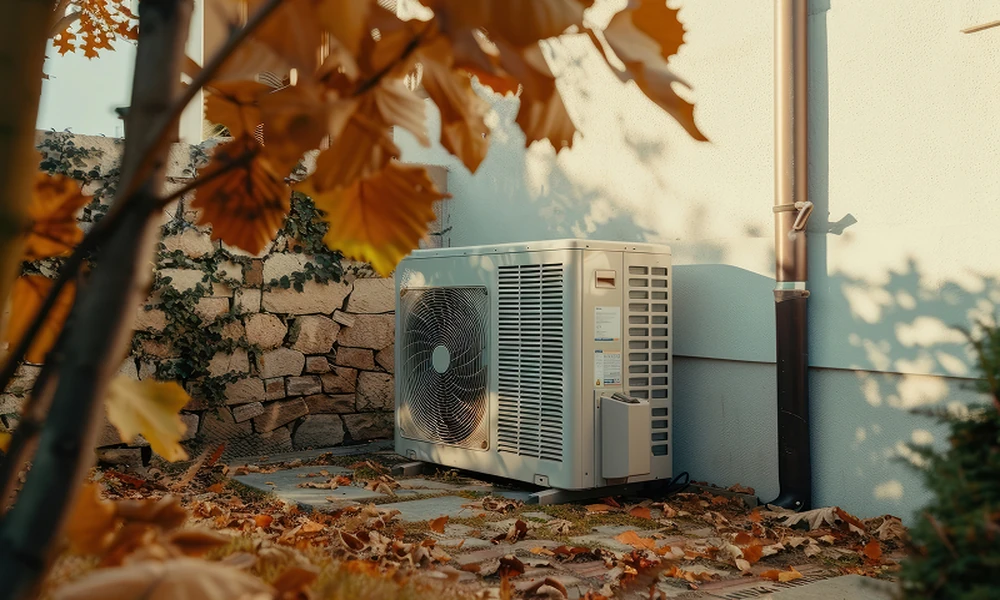
Outdoor units are exposed to the elements, so they pick up more than you might expect. Dry leaves, twigs, construction dust and stray plastic can blow onto the condenser coil or get caught near the fan. On HDB ledges and balconies, birds sometimes build nests close to, or even inside, the casing.
Indoors, dust and pet hair gather on filters and evaporator coils, while small insects or geckos occasionally find their way in. When loose debris knocks against fan blades or vibrates against metal panels, it’s one possible answer to what causes aircon compressor noise, although the sound often comes from the parts around the compressor rather than the compressor itself.
Quick Checks for Busy Homeowners
- Debris rarely enters the sealed compressor but can clog the parts around it.
- Leaves, dust and bird nests can build up around outdoor units over time.
- Rattling, weak cooling and indoor leaks can all point to a blockage.
- Blocked coils can make the compressor work harder and run hotter.
- Leave anything beyond filter cleaning to a trained aircon technician.
Signs Something’s Stuck in Your System
Debris isn’t always obvious, but your aircon usually drops hints. Because of how an air conditioner compressor works, with air needing to flow freely over the coils, several of these signs trace back to restricted airflow:
| Sign | What It Could Mean |
| Rattling or tapping | Twigs or leaves may be hitting the fan blades or shaking inside the casing. |
| Weak or warm airflow | A clogged filter or coil may be limiting how much heat the system removes. |
| Musty or burning smells | Dust or organic matter on the coils can give off odours, though a burning smell needs checking straight away. |
| Water dripping indoors | Debris in the drain line can cause a blockage that pushes water back out of the indoor unit. |
What Debris Can Do Over Time
Beyond figuring out what causes aircon compressor noise, it’s worth knowing what debris can lead to if it’s left in place for months:
- Extra strain on the compressor: A blocked condenser coil struggles to release heat, so the compressor runs hotter and for longer.
- Higher electricity bills: Restricted airflow means the system generally needs more energy to reach the same temperature.
- Bent fins and chipped blades: Hard debris can damage the thin metal fins on the coils or the fan blades, which lowers efficiency further.
- Water damage indoors: Clogged drain lines can cause leaks that stain walls, ceilings or furniture beneath the indoor unit.
Keeping Things Clear, Cool and Quiet
Debris might seem minor, but it can quietly affect how well your aircon cools and how hard it works. Thankfully, much of it is preventable. Cleaning washable filters every few weeks, keeping the area around your outdoor unit free of leaves and clutter, and paying attention to new sounds or smells can all help.
For anything beyond filter cleaning, such as clearing condenser coils, checking fan blades or flushing drain lines, it’s safer to call a trained technician. Opening up the outdoor unit yourself carries risks because of the electrical components and the height of most aircon ledges. Regular servicing also catches small issues before they become bigger repairs.
Contact Newway Air Conditioning to arrange a check-up if your unit has started sounding or cooling differently.
