
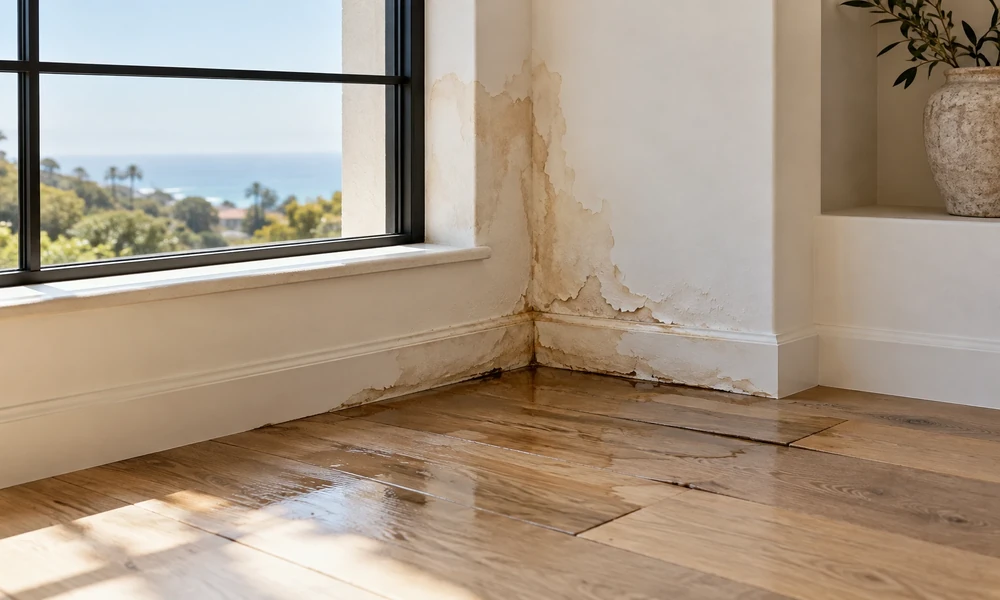
A burst pipe, a failed washing machine hose, or a storm-driven leak rarely gives much warning. One moment the floor is dry, and the next you’re standing in an inch of water, wondering what to grab first. What you do in the next two days often decides whether you face a manageable cleanup or a major rebuild.
Water is patient and persistent. It soaks into drywall, wicks up insulation, and settles under flooring where you can’t see it. Restoration professionals, including Northeastern Restoration, commonly stress that the early hours are the most valuable, because materials that stay wet turn a small problem into a structural one.
This guide covers why timing matters, the exact steps to take, how to judge the severity of the water involved, and how to decide between handling the job yourself and calling in help.
Why the First 48 Hours Matter
Mold needs only moisture, a food source, and time. Drywall, wood, carpet, and paper provide plenty of food, so the variable you control is moisture. The U.S. Environmental Protection Agency notes that if wet or damp materials are dried within 24 to 48 hours of a leak or spill, mold usually won’t grow. You can read the full guidance in the EPA’s mold cleanup recommendations.
That window also affects:
- Structural integrity: Prolonged moisture swells wood, weakens adhesives, and can loosen flooring.
- Air quality: Damp materials release musty odors and spores long before mold is visible.
- Cost: Drying a wet room is far cheaper than replacing its walls, floors, and insulation.
Your First-Hour Action Plan
When water appears, work through these steps in order:
- Stay safe first. If water has reached outlets, appliances, or the electrical panel, turn off power at the breaker, but only if you can reach it without standing in water.
- Stop the source. Shut off the main water valve or the fixture’s supply line. If the source is a roof leak or storm intrusion, contain it with a tarp if it’s safe to do so.
- Document everything. Take photos and short videos of the damage before moving anything. Insurers rely on this evidence.
- Remove standing water. Use a wet/dry vacuum, mop, or pump. Move quickly, but don’t enter deep water that may be electrically live.
- Lift what you can. Pull up area rugs, move furniture to dry ground, and prop up wet upholstery on foil or plastic.
- Start air movement. Open windows if the weather allows, and run fans and dehumidifiers to pull moisture from the air and surfaces.
- Call your insurance company. Report the loss promptly and ask what your policy covers before you start major repairs.
Not All Water Is Equal
The type of water involved changes the safety rules. Restoration standards group water damage into three categories:
| Category | Typical Source | Risk Level | General Approach |
|---|---|---|---|
| Category 1 | Broken supply line, overflowing sink, rainwater | Low | Often manageable with prompt drying |
| Category 2 | Dishwasher or washing machine discharge, toilet overflow (urine only) | Moderate | Gloves and protection needed; some porous materials may need removal |
| Category 3 | Sewage, rising floodwater, stagnant standing water | High | Professional handling strongly advised |
Water that starts clean can degrade after about 48 hours, as bacteria multiply in warm, stagnant conditions. A Category 1 leak left alone can eventually behave like a Category 2 problem.
Where Hidden Moisture Likes to Hide
Surface dryness can be misleading. Even when the floor feels fine, moisture may linger in places like these:
- Inside wall cavities behind baseboards and drywall
- Under vinyl, laminate, or engineered hardwood flooring
- Beneath carpet padding, which acts like a sponge
- Within insulation in attics, crawl spaces, and exterior walls
- Behind cabinets, vanities, and appliances
Moisture meters and thermal imaging cameras can detect dampness invisible to the eye. If a smell lingers after everything looks dry, hidden moisture is the usual cause.
DIY or Professional? How to Decide
Many small incidents are fine to handle yourself. A spilled bucket or a minor appliance leak caught within minutes can often be mopped up and dried with household equipment.
The calculation changes as the scale grows. The EPA’s brief guide to mold, moisture, and your home suggests that homeowners may want to hire a contractor when water damage is extensive or mold covers more than about 10 square feet. It also recommends an experienced professional when sewage or other contaminated water is involved.
Consider outside help if any of these apply:
- The water has been present for more than a day
- Water reached walls, insulation, or subfloors
- The source was sewage, a flood, or an unknown origin
- Anyone in the household has asthma, allergies, or a weakened immune system
- You smell mustiness but can’t locate the source
Quick Answers to Common Questions
Can I just use a fan and wait?
Fans help, but they move air rather than remove deep moisture. Dehumidifiers are essential because they pull water vapor out of the space instead of recirculating it.
Should I bleach visible mold?
The EPA generally doesn’t recommend routine biocide use. Scrubbing hard surfaces with detergent and water, then drying completely, is the standard guidance. Fixing the moisture source matters most.
Will my insurance cover this?
It depends on the cause. Sudden, accidental events such as burst pipes are commonly covered, while gradual leaks and rising surface flooding often are not. Check your policy, and note that flood damage typically requires separate flood coverage.
How long does drying take?
Minor incidents may dry in three to five days with proper equipment. Larger losses can take a week or more, and drying should be confirmed with moisture readings rather than by touch.
Preventing the Next Surprise
You can’t eliminate every risk, but a few habits dramatically reduce it:
- Inspect supply hoses on washers and dishwashers every year and replace any that bulge or crack
- Clean gutters and extend downspouts several feet away from the foundation
- Know where your main water shutoff is, and make sure everyone at home does too
- Consider water leak sensors near water heaters, sinks, and appliances
- Keep indoor humidity below roughly 50 percent
- Insulate exposed pipes before winter, especially in garages and crawl spaces
The Takeaway
Water damage punishes hesitation and rewards preparation. Stop the source, remove the water, document the loss, and dry everything thoroughly within the first two days. Know when a job is bigger than a mop and a fan, and don’t be afraid to bring in trained help when contamination or hidden moisture is involved.
A calm, organized response in those first hours can save a home from lasting damage, and save you a great deal of money and stress along the way.
